
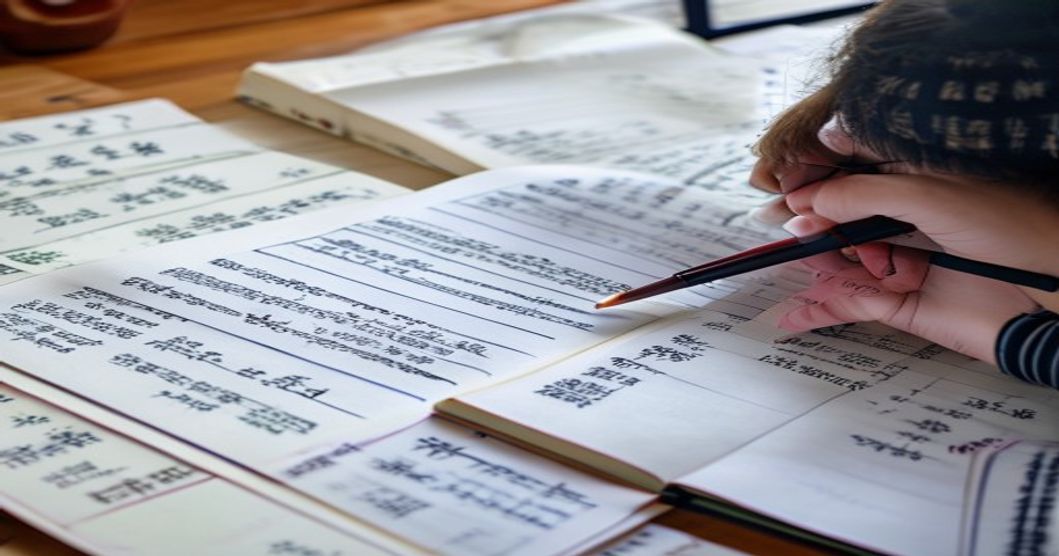
The HSK (Hanyu Shuiping Kaoshi) is the official Chinese proficiency test for non-native speakers. This guide covers everything you need to pass each HSK level from beginner to advanced.
What is HSK?
- Official Test: Administered by Chinese Ministry of Education
- 6 Levels: HSK 1 (beginner) to HSK 6 (advanced)
- Global Recognition: Accepted by universities and employers
- Validity: HSK certificates valid for 2 years
- Test Format: Listening, Reading, Writing (HSK 3+)
HSK Levels Overview
| Level | Vocabulary | CEFR | Study Time | Test Duration |
|---|---|---|---|---|
| HSK 1 | 150 words | A1 | 2-3 months | 40 minutes |
| HSK 2 | 300 words | A2 | 4-6 months | 55 minutes |
| HSK 3 | 600 words | B1 | 6-9 months | 90 minutes |
| HSK 4 | 1200 words | B2 | 1-1.5 years | 105 minutes |
| HSK 5 | 2500 words | C1 | 1.5-2 years | 125 minutes |
| HSK 6 | 5000+ words | C2 | 2-3+ years | 140 minutes |
HSK 1-2: Beginner Level
Test Structure
- Listening: 20-35 questions
- Reading: 20-25 questions
- Total Score: 200 points (120 to pass)
What You Will Learn
- Basic greetings and introductions
- Numbers, dates, and time
- Simple daily conversations
- Basic vocabulary (family, food, colors)
- Pinyin and basic tones
- Shopping and ordering food
- Asking for directions
HSK 3-4: Intermediate Level
Test Structure
- Listening: 40-45 questions
- Reading: 30-40 questions
- Writing: 10-15 questions (character writing)
- Total: 300 points (180 to pass)
Key Skills
- Handle most travel situations in China
- Discuss familiar topics
- Write simple sentences and paragraphs
- Recognize 600-1200 characters
- Basic to intermediate grammar patterns
- Communicate fluently with native speakers
HSK 5-6: Advanced Level
Test Structure
- Listening: 45-50 questions
- Reading: 45-50 questions
- Writing: 1-10 questions (essay writing)
- Total: 300 points (180 to pass)
Advanced Skills
- Read Chinese newspapers and magazines
- Watch Chinese TV and movies
- Give speeches and presentations
- Write formal letters and essays
- 5000+ vocabulary words
- Near-native comprehension
Study Plan by Level
HSK 1-2 Study Schedule (30 minutes/day)
| Day | Activity | Time |
|---|---|---|
| Monday | New vocabulary (10 words) | 15 min |
| Tuesday | Listening practice | 20 min |
| Wednesday | Review vocabulary and grammar | 25 min |
| Thursday | Reading practice | 20 min |
| Friday | Writing characters | 20 min |
| Weekend | Mock test and review | 60 min |
Best Study Resources
Apps and Software
- Pleco: Best Chinese dictionary app
- Anki: Spaced repetition flashcards
- HelloChinese: Interactive lessons
- ChineseSkill: HSK-focused practice
Textbooks
- HSK Standard Course: Official textbook series
- HSK Official Past Papers: Real exam questions
- Integrated Chinese: Comprehensive grammar
Test Day Tips
- Arrive Early: Get to test center 30 minutes before
- Bring Required Items: Passport, admission ticket, pencils
- Listen Carefully: Audio plays only once
- Manage Time: Do not spend too long on one question
- Guess if Unsure: No penalty for wrong answers
- Stay Calm: Deep breaths if nervous
Common Mistakes to Avoid
- Not practicing listening enough: 50 percent of test is listening
- Ignoring tones: Tones change meaning completely
- Only memorizing characters: Learn words in context
- Skipping writing practice: HSK 3+ requires writing
- Not taking mock tests: Practice under timed conditions
- Cramming before test: Consistent study beats last-minute
HSK Test Dates and Registration
- Test Frequency: Monthly at most centers
- Registration: www.chinesetest.cn
- Test Fee: HSK 1-2: 25-35 USD, HSK 3-4: 45-55 USD, HSK 5-6: 65-75 USD
- Results: Available 1 month after test
- Certificate: Valid for 2 years
After Passing HSK
University Applications
- HSK 4: Minimum for most bachelor programs
- HSK 5: Required for most master programs
- HSK 6: Competitive programs and scholarships
Career Opportunities
- Translation and interpretation
- Teaching Chinese
- International business with China
- Government and diplomatic roles
Consistent daily practice is the key to HSK success. Set realistic goals, use varied resources, and take mock tests regularly. Good luck with your Chinese learning journey!