

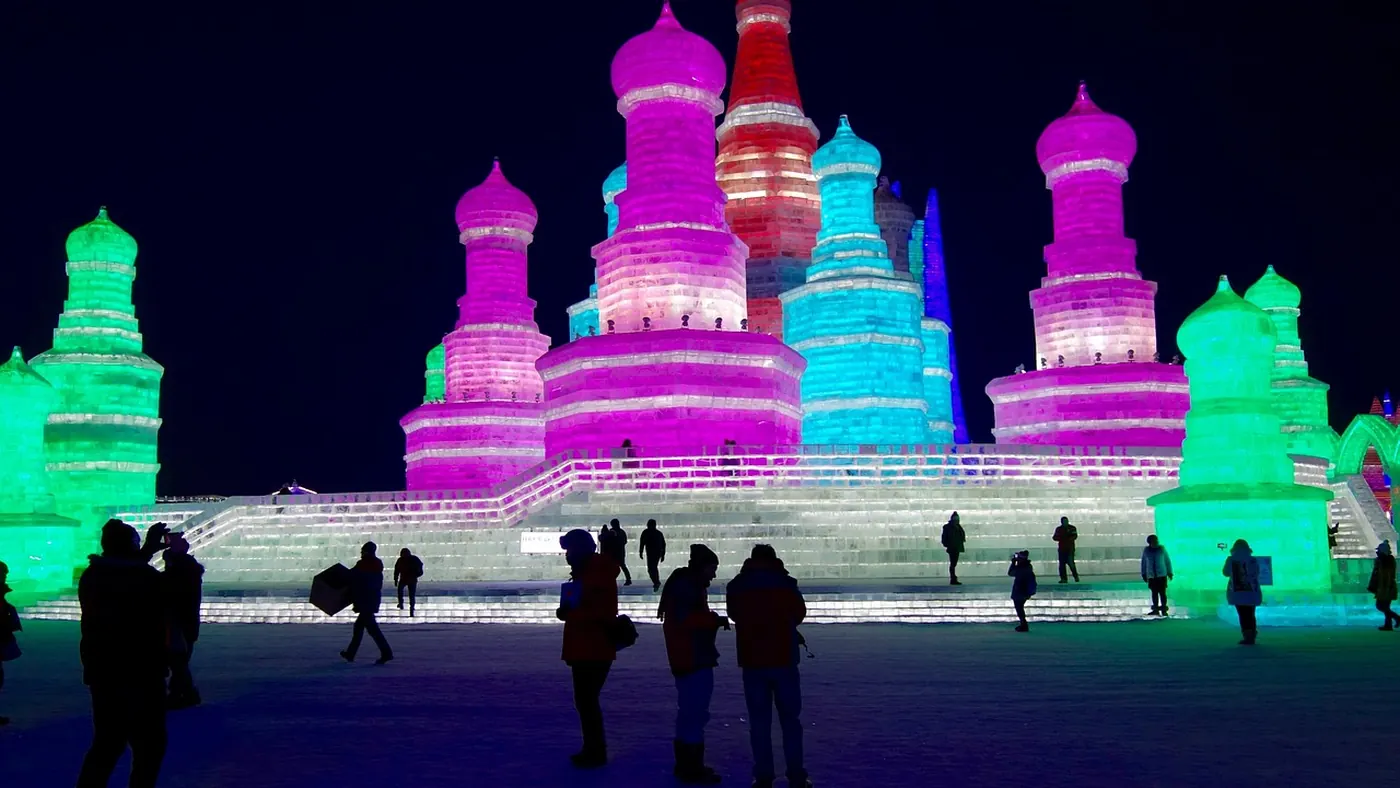
Last reviewed: 10 November 2026. China is roughly the size of Europe, so “the best time to visit” is really a question about which part of it. Harbin in January is −20°C and spectacular; Guangzhou in January is 20°C and pleasant. This guide gives you the seasonal logic, a month-by-month table, the holidays that will ruin a trip if you book into them, and what to pack.
The four seasons, honestly
| Season | Months | Best for | Weaknesses |
|---|---|---|---|
| Spring | March–May | Beijing, Xi’an, Hangzhou, Suzhou; the best all-round window | Rain in the south; May Day holiday crowds |
| Summer | June–August | Guilin, Yunnan, Qinghai, Tibet; long days | Heat and humidity in the east; heavy rain in the south |
| Autumn | September–November | Everywhere — clearest skies, best temperatures | Golden Week (1–7 October) is the busiest week of the year |
| Winter | December–February | Harbin, Beijing (fewer crowds), Yunnan and Hainan (warm) | Cold in the north; Chinese New Year travel chaos |
If you have one trip and flexible dates, late September and October or April and early May give you the best weather with manageable crowds. Avoid the first week of October and the Chinese New Year period entirely.
Month by month
| Month | Where to go | What to expect |
|---|---|---|
| January | Harbin, Beijing, Hainan | Ice festival in the north; warm beaches in the south; Chinese New Year may fall here |
| February | Harbin, Beijing, Shanghai | Chinese New Year crowds and closures; cold but quiet afterwards |
| March | Beijing, Xi’an, Hangzhou | Spring arrives in the south first; blossom in Hangzhou and Suzhou |
| April | Beijing, Xi’an, Chengdu, Guilin | Best month overall; rain starts in the south |
| May | Most of the country | Excellent weather, but the first five days are a national holiday |
| June | Beijing, Yunnan, Inner Mongolia | Hot in the east; rainy season begins in the south |
| July | Yunnan, Guilin, Qinghai, Tibet | Peak heat and peak domestic tourism; book everything ahead |
| August | Yunnan, Guilin, Qinghai | Still hot and busy; the north is more comfortable |
| September | Everywhere | The best month; clear skies, comfortable temperatures |
| October | Everywhere | First week is Golden Week — avoid; the rest of the month is superb |
| November | Beijing, Xi’an, Shanghai, Chengdu | Cool, dry, quiet, and cheap |
| December | Shanghai, Yunnan, Hainan, Harbin | Cold in the north, mild in the south, low season prices |
Regional differences that change everything
North (Beijing, Xi’an, Harbin). Four distinct seasons, dry winters, hot summers. Spring has dust storms; autumn is the best window. Winters are cold but sunny, and the Great Wall is spectacular in snow.
East (Shanghai, Hangzhou, Suzhou). Humid subtropical. The plum rain season in June is genuinely unpleasant — weeks of drizzle. Spring and autumn are the reason to come.
South (Guangzhou, Guilin, Hong Kong). Long hot summers, short mild winters. The rainy season runs April to September, with typhoons possible August–September.
Southwest (Chengdu, Chongqing, Yunnan). Chengdu is grey and humid year-round — that is why the tea houses exist. Yunnan is the exception: high altitude, mild all year, the best summer escape in the country.
West (Tibet, Qinghai, Xinjiang). Short summers, very cold winters, and altitude. The window is June to September; outside it, many roads and passes close.
Holidays to plan around
| Holiday | When | Impact |
|---|---|---|
| Chinese New Year | Late January to mid-February (moves each year) | Worst period for transport; many small businesses close for a week |
| Qingming | Early April | Three-day weekend; domestic travel spikes |
| Labour Day | 1–5 May | Major holiday; trains and hotels sell out weeks ahead |
| Dragon Boat | June (lunar calendar) | Minor; local festivals worth seeing |
| Mid-Autumn | September or early October | Often merges with Golden Week |
| National Day / Golden Week | 1–7 October | The busiest travel week of the year; avoid entirely if you can |
During these periods: train tickets sell out within minutes, hotel prices double or triple, and attractions hit capacity. If your dates are fixed, book everything the moment sales open and expect queues.
What to pack by season
- Spring: layers, a light rain jacket, comfortable walking shoes. Beijing in March can still be 5°C; Shanghai in May is 25°C.
- Summer: breathable fabrics, sun hat, mosquito repellent for the south, a small umbrella for sudden storms.
- Autumn: a jacket for evenings, sunglasses, and almost no rain gear — this is the dry season.
- Winter: a proper down coat for the north (wind chill matters), thermal layers, gloves; the south is damp-cold rather than freezing, and indoor heating is rare.
Regardless of season: a power bank, a universal adapter, and shoes you can walk 15 km in. Chinese cities are larger than they look on a map.
Frequently asked questions
What is the single best month?
September and October for most of the country; April for the east and south. If you must pick one, pick late September.
Is summer really that bad?
In Beijing and Shanghai, yes — 35°C with humidity. In Yunnan and Qinghai it is the best season. Choose the region to match the month, not the other way round.
When is the cheapest time to go?
November to early December and late February to March: low season, good weather in the south, and hotels discount heavily.
Can I visit Tibet in winter?
Permits and access are more restricted and many areas close. Plan for June to September.
Weather patterns and holiday dates change. If something here is out of date, tell us on the contact page.