
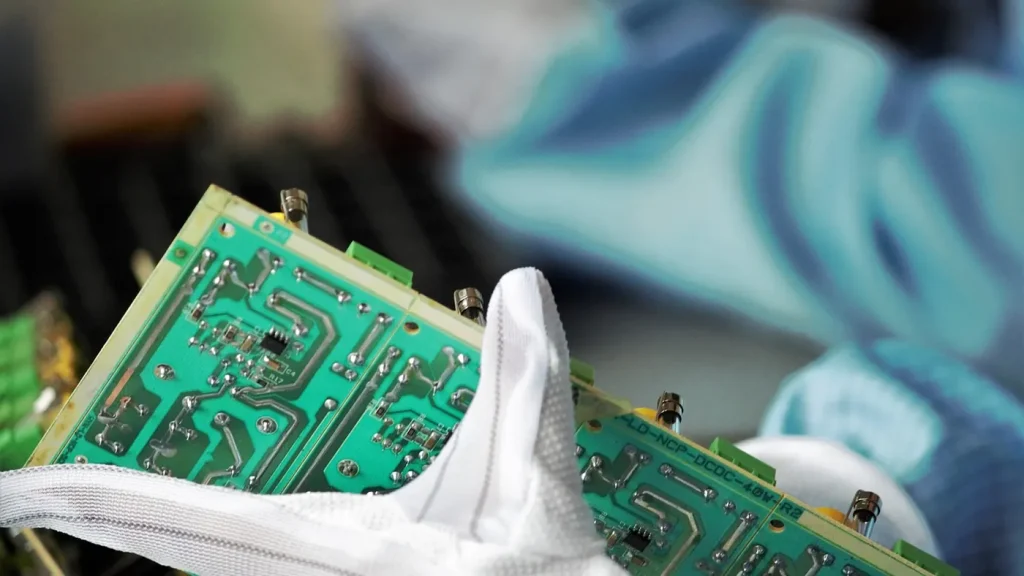
Last reviewed: 10 November 2026. Sourcing from China is not hard because suppliers are hidden — there are more of them than you can ever contact. It is hard because the good ones and the bad ones look identical on a marketplace listing. This guide is the process we would use ourselves: how to find suppliers, how to tell a factory from a trading company, how to pay without losing the money, and how to check the goods before they leave.
Start with a specification, not a supplier
Most failed sourcing projects fail before the first email, because the buyer cannot describe what they want in numbers. Before you search, write down:
- Dimensions and weight, with tolerances — “20 cm ± 2 mm”, not “about 20 cm”.
- Material and grade, with the standard number if one exists.
- Finish and colour, ideally with a Pantone reference.
- Packaging — retail box, polybag, barcode, carton size and quantity per carton.
- Compliance — which certification the destination market requires (CE, FCC, CPSIA, REACH).
- Target volume for the first order, and the annual volume you expect.
A supplier who receives this can quote in a day. A supplier who receives “I want to import water bottles” will quote something arbitrary, and you will spend three weeks discovering it does not match what you meant.
Where to find suppliers
| Channel | Best for | Watch out for |
|---|---|---|
| Alibaba.com | Almost everything; English-speaking suppliers | Heavy concentration of trading companies, not factories |
| 1688.com | Domestic prices, small quantities | Chinese only, domestic payment, no export support |
| Global Sources / Made-in-China | Electronics, verified manufacturers | Smaller catalogue, higher prices |
| Canton Fair and regional trade shows | Seeing products and people in one trip | Time-bound; two visits to build trust |
| Sourcing agents | Complex specs, multi-supplier orders | Commission 5–10%; quality varies enormously |
For a first order under US$10,000, Alibaba plus a third-party inspection is a reasonable path. Above that, go to a trade show or hire an agent — the cost of a bad batch scales faster than the cost of expertise.
Factory or trading company?
Most “manufacturers” on marketplaces are trading companies. That is not automatically bad: a good trading company handles quality control, consolidation and documentation, and charges 5–15% for it. What is bad is a trading company pretending to be a factory, because you lose visibility of where the product is actually made.
How to tell:
- Ask for the business licence (营业执照). The registered scope tells you whether they manufacture or trade. Compare the registered capital and address with what they claim.
- Ask for a factory video call, unscripted, walking from the loading bay to the production line. Trading companies usually cannot do this.
- Check the product range. A factory making one category for fifteen years is a factory. A supplier with 4,000 unrelated SKUs is a trader.
- Ask about MOQ logic. Factories quote MOQ tied to their production run; traders quote whatever you want and then find a factory.
Vetting before you pay
- Verify the legal entity. Use China’s National Enterprise Credit Information Publicity System (gsxt.gov.cn) to confirm the company exists, its registered address and whether it is operating normally.
- Check export history. Ask for bill of lading copies or customs declarations from previous export orders; a genuine exporter can supply them with customer names redacted.
- Talk to two existing customers outside China. Ask specifically about defect rates and how they were handled.
- Order a sample — and pay for it. A supplier who refuses a paid sample is telling you something. A supplier who sends a perfect free sample and a different product in production is a common pattern.
- Audit the factory if the order is large enough. A third-party audit costs US$300–800 and answers questions the sales team will not.
Payment: the part that loses money
The standard Chinese export terms are 30% deposit, 70% before shipment, by bank transfer (T/T). That structure protects the supplier, not you. Practical ways to reduce the risk:
- Alibaba Trade Assurance — payment held by the platform until you confirm. Costs nothing and is the single easiest protection for a first order.
- Letter of credit — for orders above roughly US$50,000, an L/C at sight gives both sides a bank-backed process. It is slow and paperwork-heavy, and small suppliers may refuse it.
- Staged payments — 30% deposit, 40% after inspection, 30% after bill of lading. Suppliers accept this more often than buyers expect.
- Never pay to a personal account. The beneficiary name must match the company on the contract and the business licence. This one rule prevents most fraud.
Also agree who pays the bank charges, and which currency. RMB pricing is increasingly common and can be cheaper, but your bank may add conversion costs.
Quality control before shipment
Do not rely on photos. Book a third-party inspection (SGS, Bureau Veritas, QIMA, or a local inspection company) when production is finished and packed, before the balance is paid. A typical inspection costs US$250–500 and checks:
- Quantity and carton markings against the purchase order
- Appearance defects against an agreed AQL level (AQL 2.5 is the common default)
- Function testing on a sample
- Packaging, labels and barcodes for your market
Write the AQL level and the defect definitions into the purchase order. “Good quality” is not a specification; “no more than 2.5% major defects per AQL 2.5” is.
Shipping and Incoterms
| Term | Who arranges | Use when |
|---|---|---|
| EXW | You, from the factory door | You have a forwarder and want full control |
| FOB | Supplier to the port; you from there | The default for most first orders |
| CIF | Supplier arranges freight and insurance | Simple, but you cannot see the freight cost |
| DDP | Supplier delivers to your door, duties paid | Small parcels, e-commerce, no import experience |
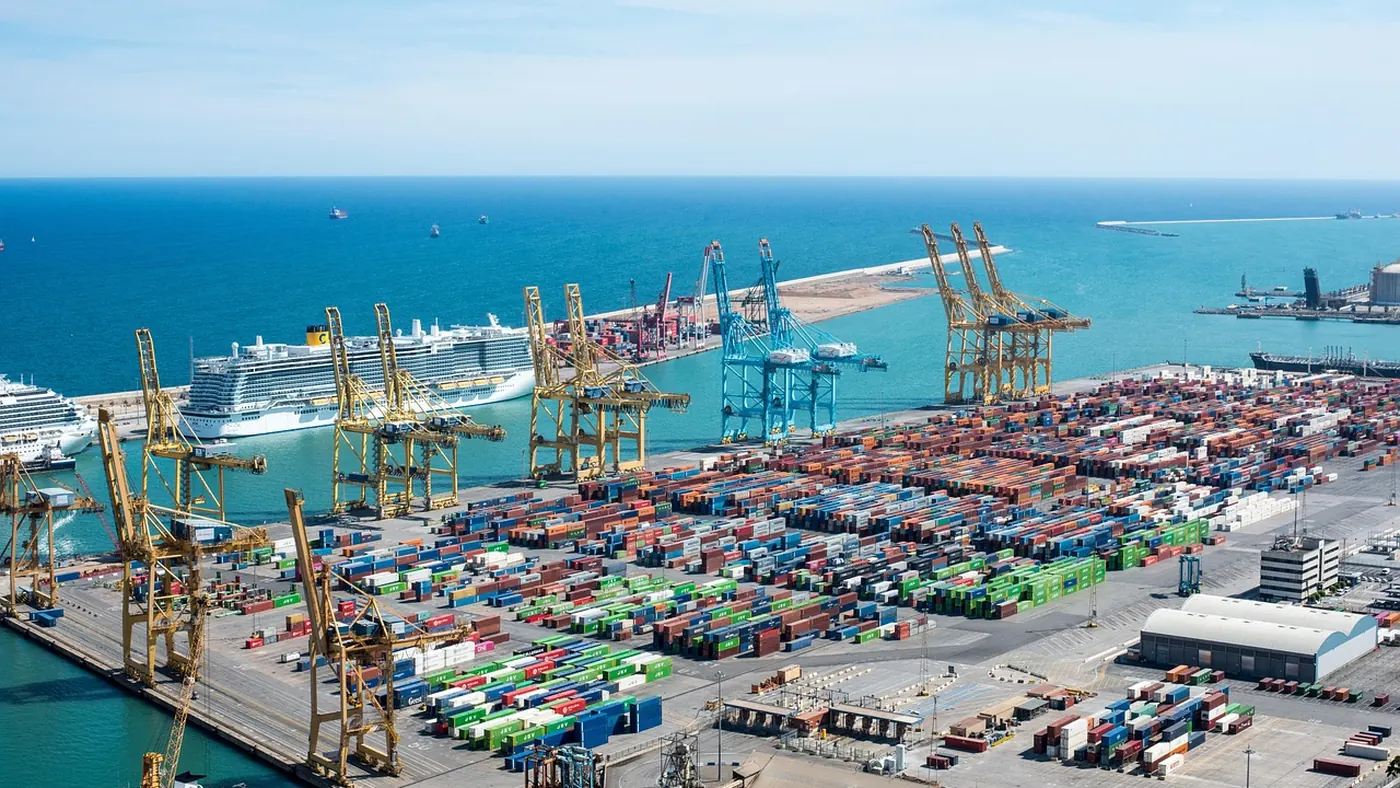
FOB is the standard recommendation: you choose the forwarder, you see the real freight cost, and you control the bill of lading. For small volumes, express or DDP is simpler and often cheaper per unit.
Red flags
- Prices far below every other quote, with no explanation of why.
- Refusal to provide a business licence or to accept Trade Assurance.
- A bank account in a different company’s name, or a personal account.
- Pressure to pay the full amount up front for a first order.
- No export documents, no factory video, no customer references.
- Sample quality noticeably better than what is described for mass production.
Frequently asked questions
What is a realistic first order size?
Most factories will not start a production run below US$3,000–5,000 of goods. Below that you are buying stock, not manufacturing — expect higher unit prices.
Do I need a Chinese company to import?
No. You can import as a foreign entity, but you need an importer of record in your own country, and the supplier must be able to issue export documents.
How long does a first order take?
Sampling two to four weeks, production three to six weeks, sea freight three to five weeks. Plan three months from first contact to goods in hand.
Should I use a sourcing agent?
If your specification is complex, your order spans several factories, or you cannot visit, yes. Expect 5–10% commission and verify their references as carefully as you verify the factory.
Rules, prices and platform policies change. If something here is out of date, tell us on the contact page.