
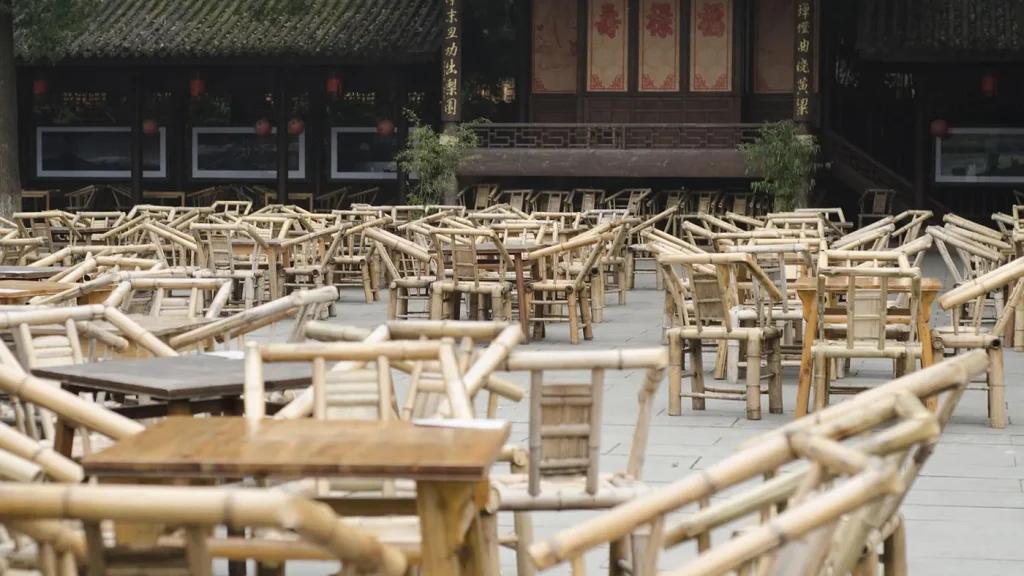
Last reviewed: 10 November 2026. Chengdu is the city people arrive in for pandas and leave remembering the tea houses. It runs at a different speed from Beijing or Shanghai: lunch takes two hours, the park is full at 10 a.m. on a Tuesday, and nobody apologises for it. Two days is enough for the pandas; three is enough to understand why people move here.
Why go
Three reasons, and they are all in the name of the city’s own marketing: pandas, food, and tea houses. It is also the best base for western Sichuan — Leshan, Mount Emei, Jiuzhaigou and the Tibetan plateau are all reachable from here.
Getting in
Tianfu Airport (TFU) is the new international hub, 50 km southeast; the metro line 18 connects it to the city in about 50 minutes. Shuangliu (CTU) is closer to the centre and still used for domestic flights.
By rail: Chengdu East for the high-speed network. Xi’an is 3.5 hours, Chongqing 1.5 hours, Leshan 1 hour.
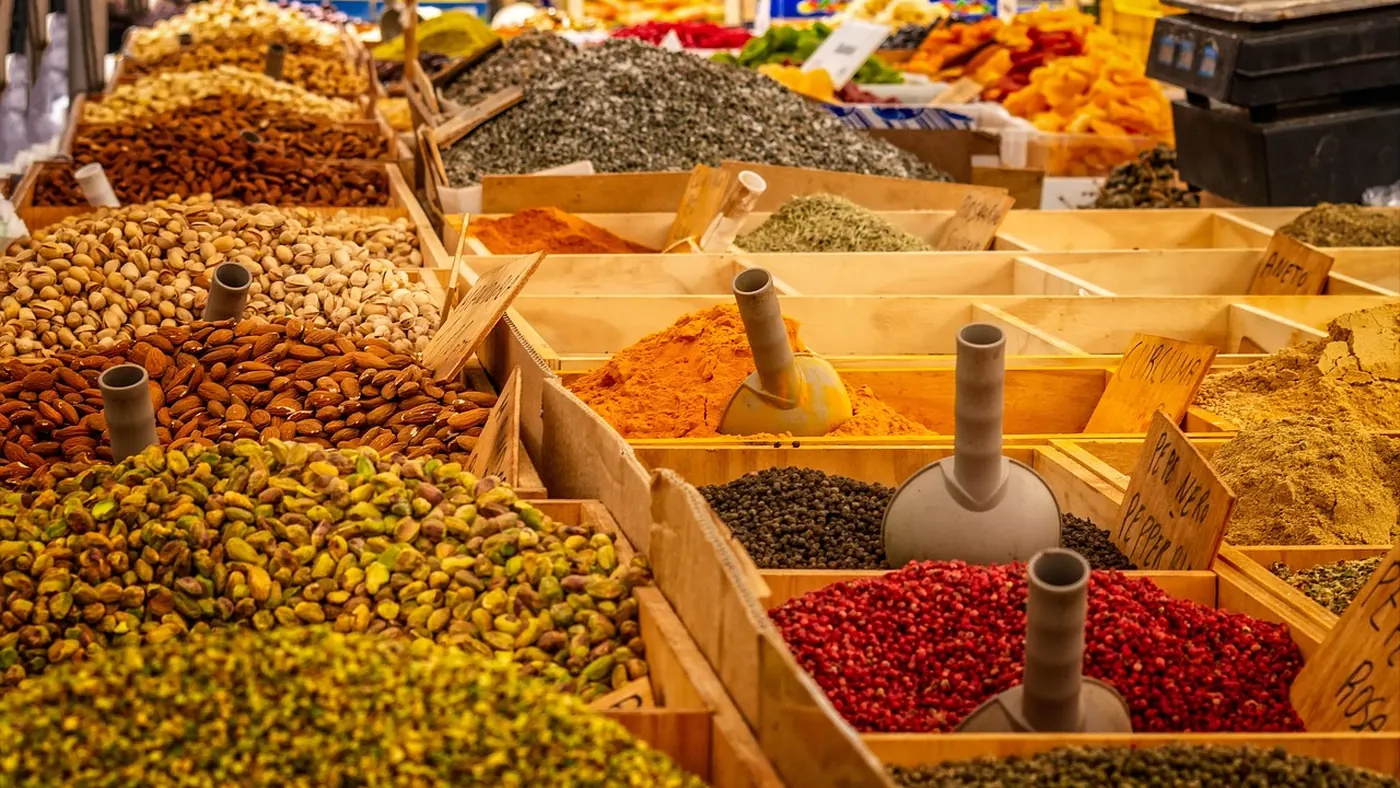
Metro: 13 lines, cheap and clean, RMB 2–8. The city is flat, so bikes are also practical outside rush hour.
The pandas, properly
The Chengdu Research Base of Giant Panda Breeding opens at 7:30. Be there at 7:15. The pandas are fed between 8:00 and 10:00, which is when they move, climb and eat; by 11:00 they are asleep and the tour buses have arrived.
- Tickets are booked online with a passport, about RMB 55, and timed slots sell out in peak season.
- Route: start at the Sunshine Nursery (cubs) and work back towards the entrance. Most people do it in reverse and end up in the crowd.
- Allow three hours. The site is large and hilly; there is a shuttle bus inside.
- Alternative: the Dujiangyan Panda Base is quieter and lets you see the breeding centre, but it is an hour outside the city.
Tea houses, and how to use them
A Chengdu tea house is not a café. It is a public living room where people sit for hours, refill a covered cup with hot water, play mahjong, get their ears cleaned and argue about nothing.
People’s Park is the classic: RMB 20–30 for a cup of jasmine tea, unlimited hot water, and the ear-cleaning service (RMB 30–50) that involves tuning forks and a surprising amount of noise. Go mid-morning and stay for two hours. Nobody will ask you to leave.
Other options: Wangjianglou Park for bamboo and quiet, or any small neighbourhood tea house away from the tourist streets, where the tea is cheaper and the mahjong louder.
What to eat
| Dish | What it is | Where |
|---|---|---|
| Hotpot | Beef tallow broth, numbing Sichuan pepper, dipped in oil and garlic | Anywhere; the busy places are the good ones |
| Mapo tofu | Silken tofu, minced beef, chilli bean paste | Neighbourhood restaurants |
| Dandan noodles | Sesame, chilli oil, minced pork, no soup | Breakfast shops |
| Kung pao chicken | The real version: dried chillies, peanuts, no sweetness | Any Sichuan restaurant |
| Chuanchuan | Skewers cooked in hotpot broth, charged per stick | Street stalls after 18:00 |
| Sweet water noodles | Cold noodles with sugar, vinegar and chilli | Snack stalls |
One warning: mala is not a flavour you can order mild. Ask for 微辣 (wei la, slightly spicy) and even that will be warm. The antidote is not water but rice, soy milk or a sweet dessert.
Where to stay
- Chunxi Road / Taikoo Li — central, walkable, best for a first visit.
- Kuanzhai Alley — restored lanes, quieter evenings, good guesthouses.
- Wenshu Monastery area — budget, vegetarian food, local life.
- Near the panda base — only if you are leaving before 7 a.m. and moving on the same day.
Day trips
| Place | Time | Why |
|---|---|---|
| Leshan Giant Buddha | 1h by train | 71 m carved into a cliff; go early to avoid the queue down the stairs |
| Mount Qingcheng | 1h30 | Taoist mountain, forest trails, cooler than the city |
| Dujiangyan | 1h | 2,200-year-old irrigation system still in use; pair with the panda base nearby |
| Chongqing | 1h20 | Another city entirely — vertical, industrial, night-time spectacle |
Practical notes
- Chengdu is grey and humid most of the year. That is why tea houses exist. Pack accordingly and do not expect blue skies.
- Alipay and WeChat Pay work everywhere, including tea houses and street stalls.
- English is limited outside hotels; a translation app is genuinely useful here.
- Weekends are busy at the panda base and Kuanzhai Alley; weekdays are noticeably calmer.
- Costs are lower than Beijing or Shanghai: a good hotel is RMB 300–500, a hotpot dinner for two RMB 150–250.
A rainy day in Chengdu
Chengdu is grey and drizzly for much of the year, and the city has built its culture around that. When it rains:
- Tea house, longer. That is what they are for. Order another cup and watch the mahjong.
- Sichuan Museum and the Chengdu Museum are free and good, and the latter has an excellent shadow-puppet collection.
- Hotpot for lunch. The busiest places at 13:00 on a wet Tuesday are the ones worth eating in.
- Book a cooking class. Half-day classes teach mapo tofu and dumplings; it is the most useful souvenir you can take home.
- Qingyang Palace — a working Taoist temple in the middle of the city, covered walkways, few crowds in the rain.
Frequently asked questions
How many days for Chengdu?
Two for the pandas and the city, three or four to add Leshan or Qingcheng.
Can I see pandas elsewhere?
Yes, but Chengdu has the largest captive population and the easiest access. The base is 30 minutes from the centre by metro and taxi.
Is the food too spicy?
It can be. Ask for 微辣 and order a non-spicy dish alongside — most menus have tomato or clear-broth options.
Opening hours and ticket rules change. If something here is out of date, tell us on the contact page.