
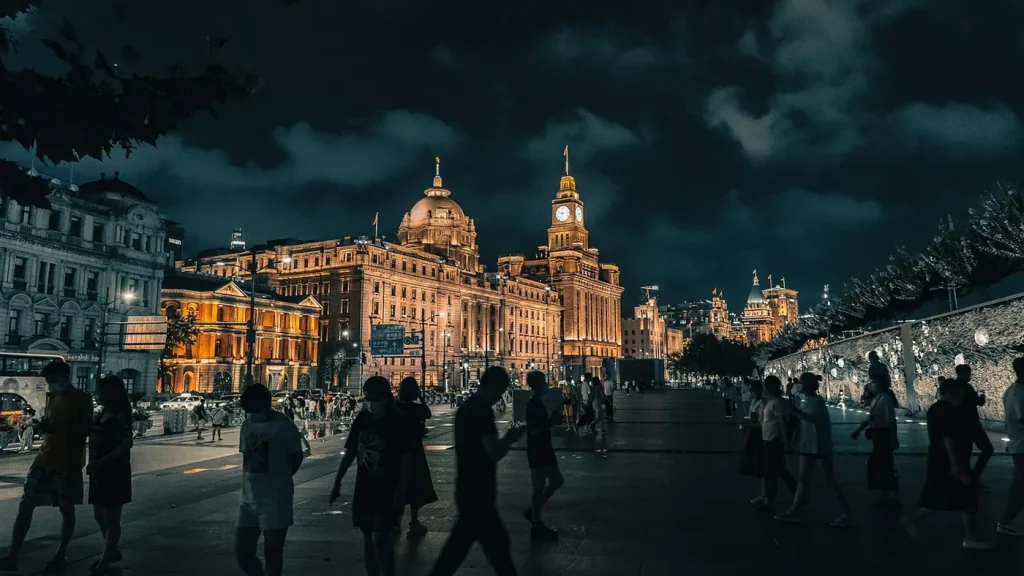
Last reviewed: 10 November 2026. Shanghai is the easiest Chinese city for a first-time visitor and the hardest to see properly. It is walkable, English-friendly and full of good hotels — and it also has a habit of turning a two-day visit into a shopping trip. This guide is about what to actually do with 2–3 days, and where to eat.
What Shanghai is for
Three things, in this order: the Bund and the colonial riverfront, the former French Concession — plane trees, art deco villas, coffee — and the food, which is the most underrated in China. The skyscrapers are impressive for an hour; the neighbourhoods are why people come back.
Getting in and around
From Pudong Airport (PVG): the Maglev takes 8 minutes to Longyang Road (RMB 50, or 40 with a same-day ticket), then the metro. A taxi to the city centre is 45–60 minutes and RMB 180–250. Hongqiao (SHA) is much closer and connects directly to the metro and the high-speed rail station.
Metro: 20 lines, English signage, RMB 3–7. Get a transport card or use Alipay. Avoid taxis between 17:00 and 19:00 — the elevated roads become car parks.
Where to stay
| Area | Best for | Trade-off |
|---|---|---|
| Former French Concession | Walking, cafés, restaurants, atmosphere | Fewer metro interchanges, higher prices |
| The Bund / Huangpu | The view, first-timers | Touristy, expensive, noisy |
| Jing’an | Transport, shopping, central to everything | Less character |
| People’s Square | Metro hub, museums, budget | Busy, bland at night |
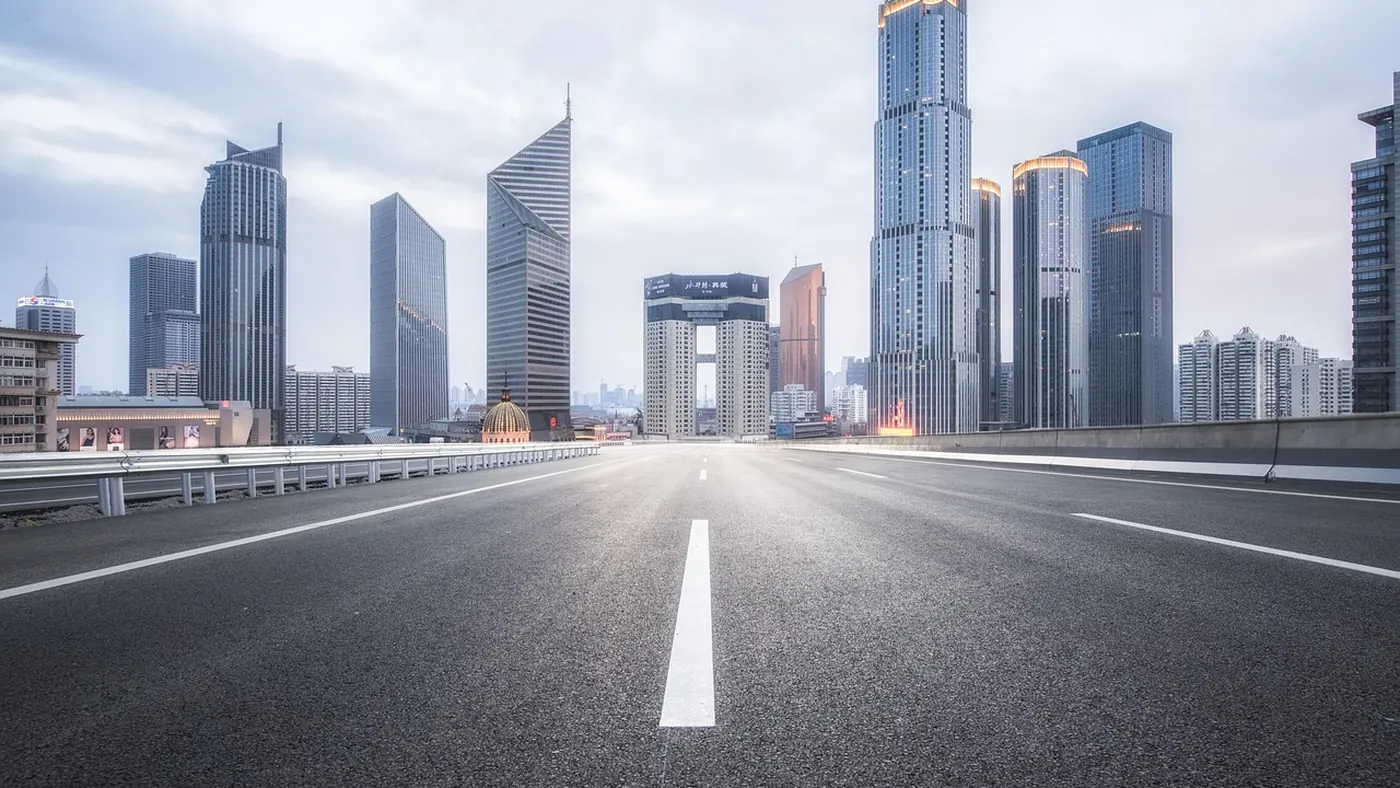
| Pudong (Lujiazui) | Business, skyline views | Nothing to do on foot after 20:00 |
A two-day plan
Day 1 — the river and the old city. The Bund at 8:00 before the crowds, then walk south to the Yu Garden and the old town (arrive by 10:00). Afternoon: cross to Pudong for the skyline, or skip it and take the ferry instead (RMB 2, the best-value view in the city). Evening: Nanjing Road for the spectacle, then dinner in the French Concession.
Day 2 — the Concession and art. Walk Wukang Road, Anfu Road and the lanes around them in the morning. Afternoon: the Power Station of Art or the West Bund museums, then Tianzifang or Xintiandi for a coffee. Evening: a rooftop bar for the skyline from the other side.
With a third day: Suzhou (25 minutes by train) for classical gardens, or Hangzhou (45–60 minutes) for West Lake. Both are day trips; Hangzhou deserves a night if you have it.
What to eat
- Xiaolongbao — soup dumplings. The famous chains are fine; the neighbourhood shops are better.
- Shengjianbao — pan-fried pork buns, the breakfast of choice, RMB 8–15.
- Hongshao rou — red-braised pork belly, sweet and glossy.
- Scallion oil noodles — the simplest dish in the city and one of the best.
- Drunken crab and river shrimp — if you are comfortable with raw and shell-on.
Shanghai food is sweeter and lighter than Sichuan or Cantonese. If you only eat one meal properly, make it breakfast: soy milk, youtiao and shengjian at a neighbourhood shop.
Practical notes
- The Bund is best at 7:00 and after 22:00. Midday it is a crowd with a view.
- Museums close on Mondays — most of them, including the Shanghai Museum.
- Tickets for the Shanghai Tower and the Pearl Tower are timed; book online or accept a long queue.
- Alipay works everywhere, including the metro and taxis. Cash is optional.
- English is widely spoken in hotels and the Concession, less so in the old town.
What it costs
| Item | Typical |
|---|---|
| Hotel, three-star, central | RMB 450–700 |
| Food, three meals | RMB 150–300 |
| Metro and taxis | RMB 40–90 |
| Attractions | RMB 50–200 |
| Daily total | RMB 700–1,300 (US$100–180) |
Mistakes to avoid
- Staying in Pudong for the view. You will look at the city you want to be in.
- Doing the Bund at noon. It is a different place at dawn.
- Skipping the Concession. It is the part of Shanghai people remember.
- Only eating in malls. The best food is in neighbourhood shops with plastic stools.
- Planning Suzhou and Hangzhou on the same day. Pick one.
Shanghai beyond the obvious
Once you have done the Bund and the Concession, the city opens up. Three places worth the metro ride:
- M50 art district (Putuo) — former textile mills turned galleries; free, quiet on weekdays, and a good half-day if it rains.
- Longhua Temple — the largest and oldest Buddhist temple in the city, with a vegetarian restaurant next door that locals queue for.
- Zhujiajiao water town — 50 minutes by metro to the end of line 17; canals, stone bridges, and far fewer tourists than Suzhou.
For a different view of the skyline, take the ferry from the Bund to Pudong (RMB 2) at dusk — it is the cheapest boat in the city and the view is the same one people pay RMB 180 for at the tower.
Frequently asked questions
Is two days enough?
For the city, yes. Three days lets you add a day trip, which is what most people remember.
Shanghai or Beijing first?
Shanghai if you want an easy landing and good food; Beijing if you want the history. Most itineraries do both — they are 4.5 hours apart by train.
Is the Maglev worth it?
As a novelty, yes — 430 km/h is impressive. As transport, the metro is cheaper and often faster to your hotel.
Opening hours and transport details change. If something here is out of date, tell us on the contact page.