
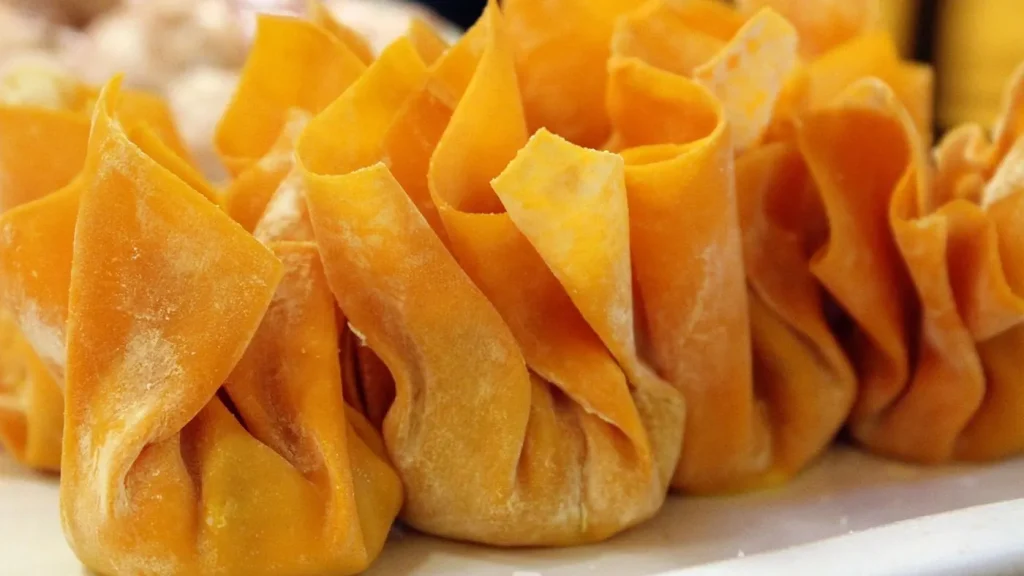
Last reviewed: 10 November 2026. Guangzhou is the city most travellers skip on the way to somewhere else, which is a mistake if you care about food. Cantonese cooking is the most refined of China’s regional cuisines, dim sum mornings are a civic institution, and the city has 2,200 years of history under a skyline that looks like the future.
Why go
Dim sum, first and foremost — Guangzhou is where yum cha was invented and where it is still done properly. Second, the old quarters: Shamian Island’s colonial arcades, the Xiguan lanes, the markets. Third, the food markets and the Cantonese obsession with freshness, which is a tourism experience in itself.
It is also the most convenient gateway to Hong Kong, Macau, Shenzhen and Foshan — all under two hours by train.
Getting in and around
Baiyun Airport (CAN) is 30 km north; metro line 3 reaches the centre in about 45 minutes, and taxis cost RMB 120–150.
By rail: Guangzhou South for high-speed trains to Shenzhen (30 min), Hong Kong (50 min), Guilin (2.5 h) and Shanghai (7 h). Guangzhou East for the older line to Hong Kong.
Metro: 16 lines, RMB 2–7, English signage. The city is hot and humid for much of the year, so the metro is not just transport but air conditioning.
What to eat, and when
Cantonese food is about the ingredient, not the sauce. Expect steamed fish with ginger and scallion, roast goose, claypot rice, and a level of seasoning that would seem timid in Sichuan.
| Meal | What to order | Where |
|---|---|---|
| Morning dim sum (7:00–11:00) | Har gow, siu mai, char siu bao, cheung fun, egg tarts | Old tea houses in Xiguan and Liwan |
| Lunch | Claypot rice, wonton noodles, roast goose | Neighbourhood restaurants |
| Afternoon | Double-skin milk pudding, herbal tea | Dessert shops |
| Dinner | Steamed fish, salt-and-pepper squid, stir-fried greens | Seafood restaurants |
| Late night | Congee, roast meat, stir-fried rice noodles | Street stalls |
Two rules: order less than you think you need, and never skip the vegetable dish — Cantonese greens are the tell of a good kitchen.
What to see
- Shamian Island — the old colonial concession, wide tree-lined avenues, arcaded buildings. An hour on foot, best in the morning.
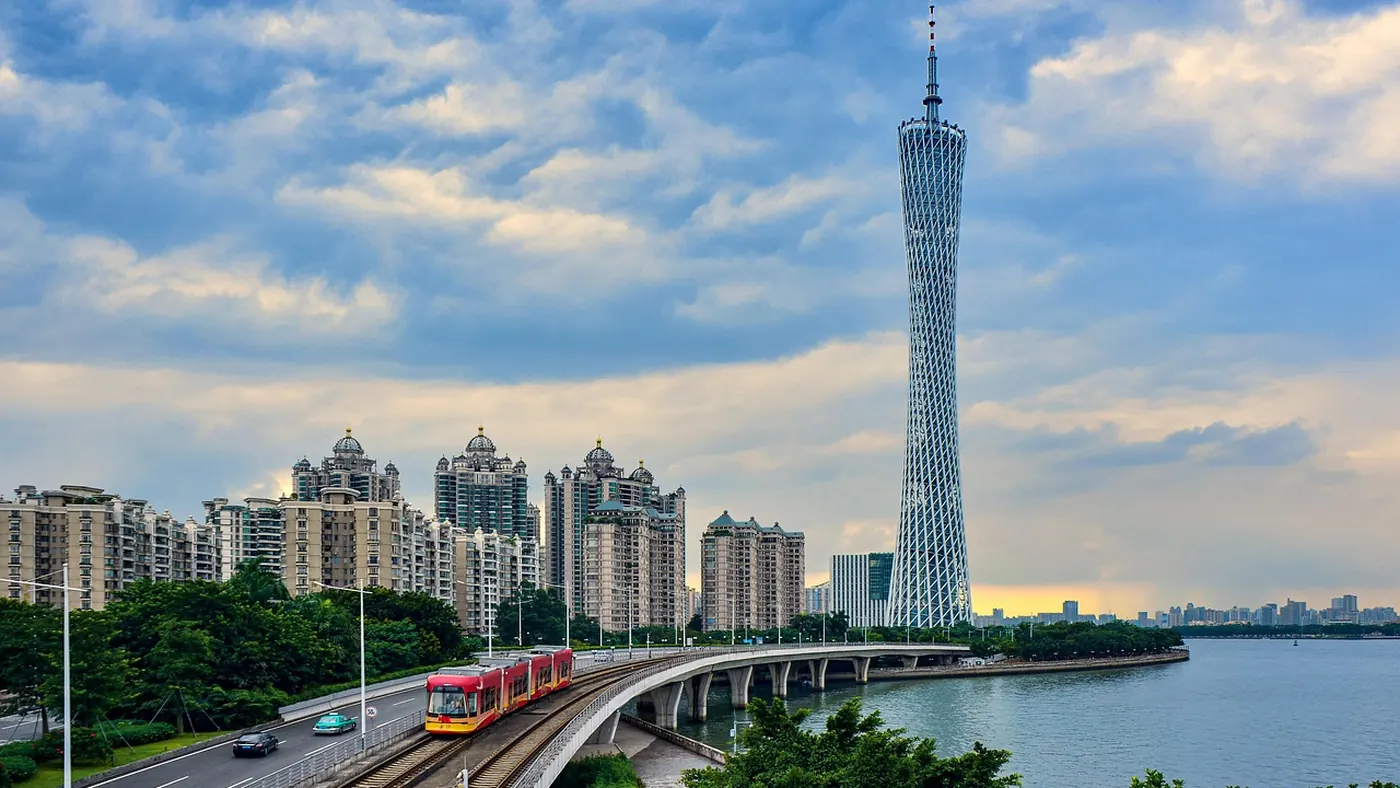
- Canton Tower — 600 m, with a viewing deck and a ferris wheel on the roof. Go at sunset and stay for the light show on the Pearl River.
- Chen Clan Ancestral Hall — the best surviving example of Lingnan architecture, with extraordinary roof carvings.
- Yongqing Fang — restored Xiguan lanes with cafés and small museums; the best place to see old Guangzhou without a ticket.
- Qingping Market — dried seafood, herbs, and things you will not recognise. Go with an open mind and no camera in people’s faces.
- Pearl River night cruise — touristy but genuinely good; 60–90 minutes.
When to go
Guangzhou is subtropical: hot and humid from May to September (35°C and sticky), mild and pleasant from October to December, and cool but rarely cold from January to March. The rainy season runs April to September, with typhoons possible in August and September.
October to December is the best window. Avoid the first week of October (Golden Week) and Chinese New Year, when the city empties out as people travel home.
Where to stay
- Zhujiang New Town — modern, near the tower, good hotels, restaurants.
- Beijing Road — central, shopping, metro interchange.
- Shamian Island — quiet and beautiful, limited choice.
- Liwan / Xiguan — old city, best food, budget hotels.
Day trips
| Place | Time | Why |
|---|---|---|
| Foshan | 30 min by metro | Ancestral temples, martial arts history, cheaper dim sum |
| Shenzhen | 30 min by high-speed rail | Modern city, electronics markets, theme parks |
| Kaiping diaolou | 2 h by bus | UNESCO watchtowers built by overseas Chinese |
| Hong Kong | 50 min by train | Needs a separate entry permit for most nationalities |
Practical notes
- Dim sum is a morning meal. Arrive by 9:00; by 11:30 the best places have queues.
- Alipay and WeChat Pay are universal; many tea houses still accept cash.
- English is limited outside hotels and the CBD, but menus often have pictures.
- Costs are lower than Beijing or Shanghai: a good hotel RMB 300–500, dim sum for two RMB 100–150.
- The city is huge — metro journeys of 40 minutes are normal. Choose your hotel by metro line, not by district reputation.
The markets, and how to visit them
Guangzhou has been a trading port for 2,000 years and the markets are still the city’s engine. They are not tourist attractions, which is exactly why they are worth an hour.
- Qingping Market — dried seafood, medicinal herbs, mushrooms and things with no English name. Go in the morning when it is busy.
- Shisanhang clothing market — wholesale fashion, thousands of stalls, no fixed prices. Bring cash and patience.
- Huangsha aquatic market — live seafood, tanks of everything, and restaurants upstairs that cook what you buy.
Two rules: ask before photographing people, and do not bargain in wholesale markets unless you are buying volume — the price is the price.
Frequently asked questions
Is one day enough?
Enough for dim sum, Shamian Island and the tower. Two days lets you add the old quarters and a day trip.
Guangzhou or Hong Kong for dim sum?
Guangzhou is cheaper and more traditional; Hong Kong is more convenient and has more variety. Both are excellent.
Do people speak Cantonese or Mandarin?
Both. Locals speak Cantonese among themselves and Mandarin with outsiders; English is less common than in Shanghai.
Opening hours and transport details change. If something here is out of date, tell us on the contact page.