
Last reviewed: 10 November 2026. China’s best landscapes are not the ones on the postcards — they are the ones that require a flight, a bus and a walk. This guide covers the ten that justify the effort, with the season that makes or breaks each one, and the practical logistics that decide whether you enjoy it.
The ten
| Place | Province | Best season | Days |
|---|---|---|---|
| Zhangjiajie | Hunan | April–May, Sept–Oct | 3 |
| Jiuzhaigou | Sichuan | October | 2–3 |
| Huangshan | Anhui | April–May, Oct–Nov | 2 |
| Guilin / Yangshuo | Guangxi | April–Oct | 3 |
| Yuanyang terraces | Yunnan | Jan–Mar (water), Sept (gold) | 2 |
| Qinghai Lake | Qinghai | July–August | 2 |
| Danxia landforms | Gansu | May–October | 1 |
| Three Gorges | Chongqing–Hubei | April–May, Sept–Oct | 3–4 (cruise) |
| Mount Tai | Shandong | April–October | 1–2 |
| Yarlung Tsangpo | Tibet | June–September | 4–5 |
What each one actually delivers
Zhangjiajie
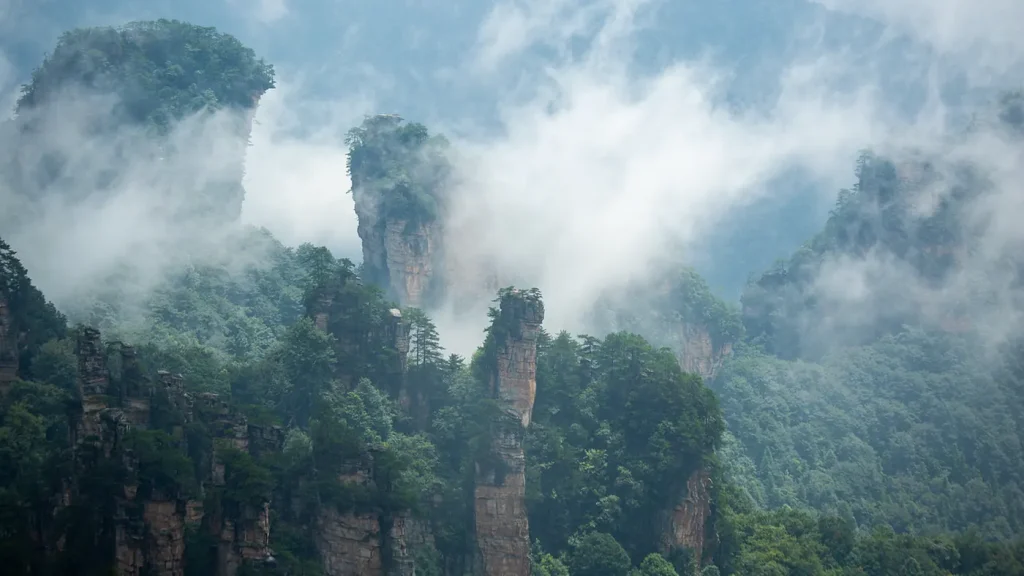
The sandstone pillars that inspired Avatar. The reality is better than the film: mist between the columns at dawn, and 3,000 peaks in every direction. Two full days minimum; the glass bridge is optional and crowded.
Jiuzhaigou
Turquoise lakes, waterfalls and autumn colour in a valley at 2,000–3,000 m. October is the peak — and the crowds are correspondingly heavy. Book entry and shuttle in advance; the park limits daily numbers.
Huangshan
Granite peaks, pines growing out of rock, and a sea of cloud if you are lucky. Stay overnight on the mountain to catch sunrise; day-trippers miss the best two hours.
Guilin and Yangshuo
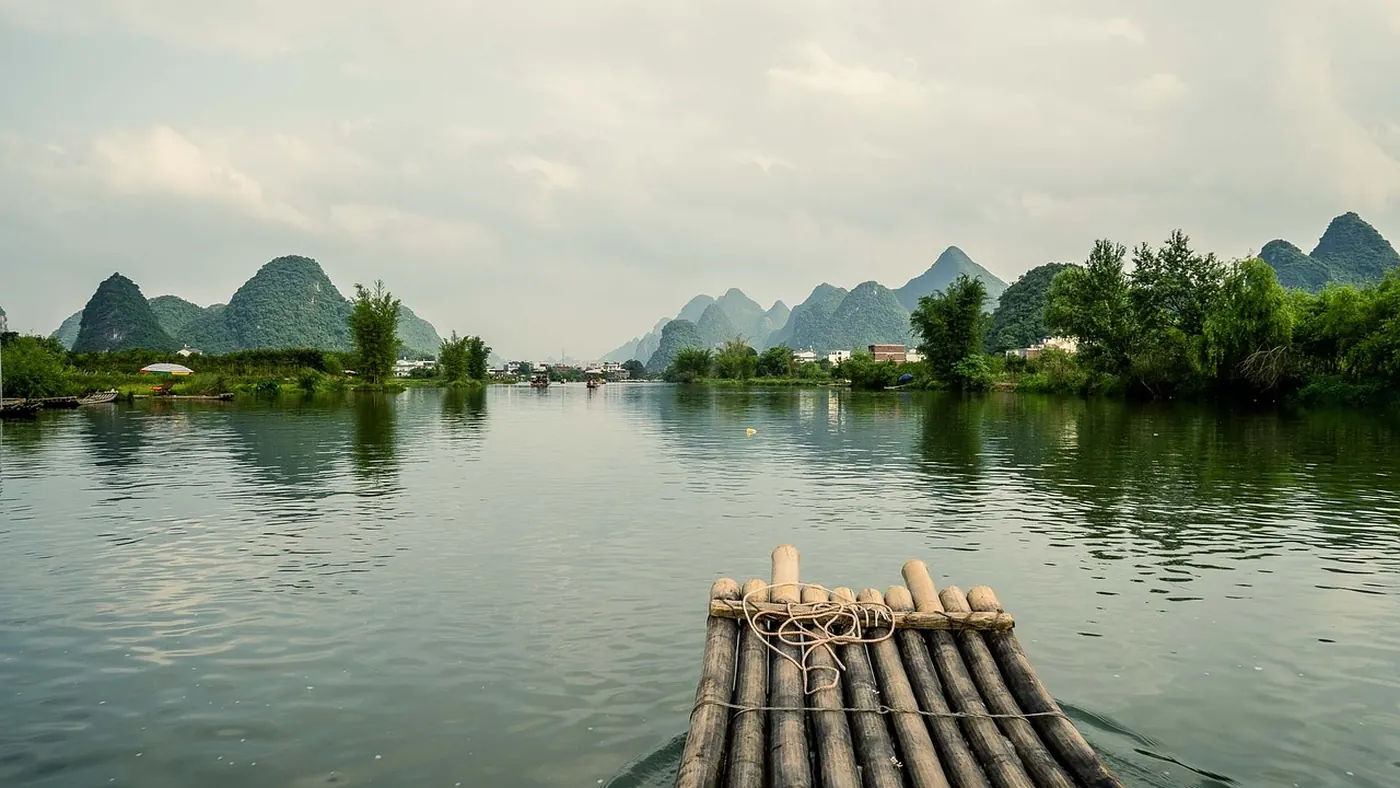
The karst landscape on the banknote. The Li River cruise is the classic, but the Yulong River by bicycle is the better experience. Three days, including one in the countryside.
Yuanyang
Hani rice terraces carved into hillsides over 1,300 years. In January–March the terraces are flooded and reflect the sky; in September they are gold. Remote, and worth the winding drive.
Qinghai Lake
A high-altitude saltwater lake the size of a small country, ringed by grassland and nomad tents. July and August are the only reliable months; the rest of the year is cold and windy.
Danxia
Striped rainbow mountains near Zhangye. Best at sunrise or sunset when the colours saturate. One day, easily combined with the Hexi Corridor.
Three Gorges
A river cruise through the gorges, with the dam as the terminus. Three to four days from Chongqing to Yichang; the scenery is impressive, the shore excursions less so.
Mount Tai
The most climbed sacred mountain in China — 7,200 steps to the summit, or a cable car for the last stretch. Climb at night to reach the top for sunrise, as Chinese pilgrims do.
Practical notes
- Altitude: Qinghai, Tibet and parts of Yunnan are above 3,000 m. Acclimatise, and do not fly in and hike the same day.
- Permits: Tibet requires a permit and a guide, arranged through an agency; the process takes weeks.
- Timed entry: Jiuzhaigou, Zhangjiajie and Huangshan all use timed tickets in peak season — book days ahead.
- Weather: mountain weather changes fast. A rain shell is not optional.
- Cash and apps: remote areas still rely on cash at small stalls; carry RMB 300–500.
How to plan a landscape trip
These places are remote, and the logistics decide the experience. Four rules:
- Build in a weather day. Mountain scenery is invisible in cloud. Two days in Zhangjiajie with one clear morning beats one perfect forecast.
- Sleep inside the park where possible. Sunrise and sunset are the best light, and day-trippers miss both.
- Book timed entry early. Jiuzhaigou, Zhangjiajie and Huangshan all cap daily numbers in peak season.
- Travel light and waterproof. Cable cars have weight limits, and mountain weather changes within an hour.
What to expect physically
Most viewpoints are reached by shuttle bus plus a short walk, but the best ones need stairs. Huangshan involves thousands of stone steps; Zhangjiajie’s trails are gentler but long. Altitude matters at Qinghai (3,200 m) and in Tibet — allow a day to acclimatise before any walking.
Frequently asked questions
Which is the single best landscape?
Jiuzhaigou in October for water and colour; Zhangjiajie for drama. Both are crowded in the same weeks.
Can I do these without a tour?
Yes for all except Tibet. Domestic transport and park shuttles are easy; the language barrier is the only friction.
When should I avoid?
Golden Week (1–7 October) and Chinese New Year. National parks hit capacity and hotel prices triple.
Can I visit Jiuzhaigou independently?
Yes, but you need a timed entry ticket booked online and the park uses shuttle buses inside. Independent travel is normal; tours only simplify transport.
Is altitude sickness a risk?
At Qinghai Lake (3,200 m) and in Tibet, yes. Ascend slowly, avoid alcohol on the first day, and do not fly in and hike the same day.
What should I pack?
A waterproof shell, layers, walking shoes with grip, a power bank and cash. Cable cars have luggage limits, so travel light.
Seasons and access change. If something here is out of date, tell us on the contact page.