
Last reviewed: 10 November 2026. The “eight great cuisines” is a Chinese convention, not a scientific classification — but it is a useful map of the country’s food geography. Each tradition grew out of a climate, a river system and a trading history. Here is what each one is actually like, and what to order.
Sichuan (川菜) — numbing and hot
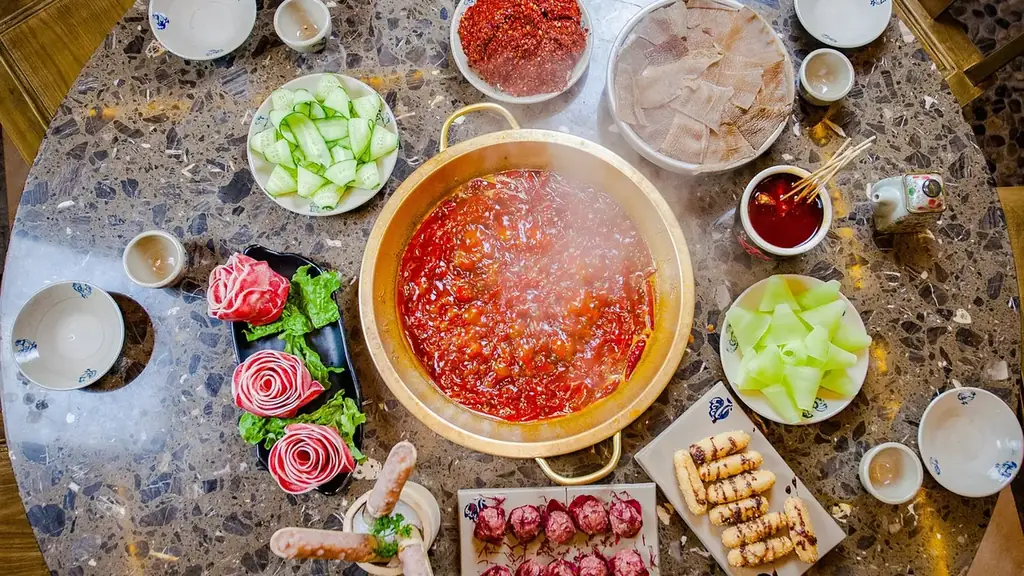
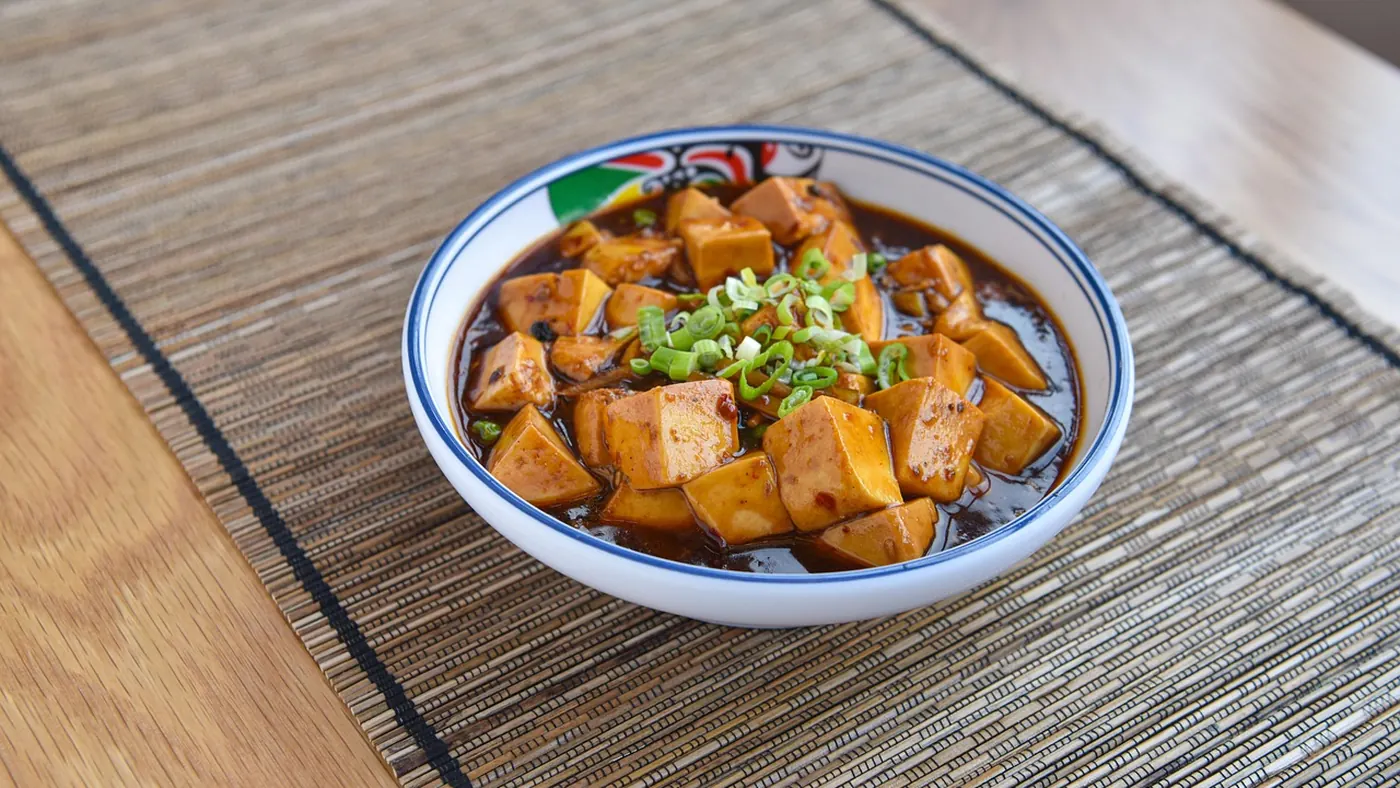
The most famous outside China, and the most misunderstood. Sichuan’s signature is málà: the numbing tingle of Sichuan peppercorn combined with chilli heat. It is not simply spicy — the best dishes balance heat with sweetness, vinegar and fermented bean paste.
Order: mapo tofu, dan dan noodles, kung pao chicken (the real version, with dried chillies and peanuts), twice-cooked pork, hotpot.
Where: Chengdu, Chongqing. The teahouse culture and the food are part of the same slow-paced life.
Cantonese (粤菜) — freshness above all
The most refined tradition, and the one that prizes the ingredient over the sauce. Steaming is preferred because it does not mask. Cantonese restaurants keep live fish because freshness is a price tier.
Order: dim sum (har gow, siu mai, char siu bao), steamed fish with ginger and scallion, roast goose, claypot rice, wonton noodles.
Where: Guangzhou, Hong Kong, Shenzhen. Morning dim sum is a civic ritual, not a tourist activity.
Shandong (鲁菜) — the northern foundation
The oldest of the eight, and the basis of much imperial court cooking. It is savoury, salt-forward, and generous with scallions and vinegar. Less famous abroad because it travels badly.
Order: braised sea cucumber with scallion, sweet-and-sour carp, scallion pancakes, steamed buns.
Where: Jinan, Qingdao, Beijing’s older restaurants.
Jiangsu (苏菜) — sweet and delicate
The cooking of the lower Yangtze: freshwater fish, river shrimp, and a sweetness that surprises visitors. Knife work is a point of pride — a good chef can slice tofu into threads.
Order: squirrel-shaped mandarin fish, braised pork belly, soup dumplings, Nanjing salted duck.
Where: Suzhou, Yangzhou, Nanjing.
Zhejiang (浙菜) — fresh and light
Hangzhou’s tradition: freshwater fish, bamboo shoots, tea, and a lightness that comes from quick cooking. Dongpo pork is the famous exception — slow-braised for hours.
Order: West Lake fish in vinegar, Dongpo pork, Longjing shrimp, beggar’s chicken.
Where: Hangzhou, Ningbo, Shaoxing.
Fujian (闽菜) — soup and umami
Known for elaborate soups and a deep savoury flavour built from dried seafood. The most famous dish, Buddha Jumps Over the Wall, is a status dish, not everyday food.
Order: Buddha Jumps Over the Wall (if you must), fish ball soup, lychee pork, oyster omelette.
Where: Fuzhou, Xiamen, Quanzhou.
Hunan (湘菜) — dry heat
Hunan is hotter than Sichuan in a different way: no peppercorn numbness, just chilli — fresh, dried, pickled and smoked. Chairman Mao’s home province, and proud of it.
Order: steamed fish head with chopped chilli, stir-fried pork with chilli, smoked pork with garlic shoots, stinky tofu.
Where: Changsha, Zhangjiajie.
Anhui (徽菜) — mountain food
The least known of the eight. Anhui is mountainous, so the cuisine relies on preserved vegetables, bamboo, wild herbs and slow braising over wood — earthy, savoury, and heavier than its southern neighbours.
Order: hairy tofu, braised bamboo shoots, stinky mandarin fish, smoked pork with bamboo.
Where: Huangshan and the villages around it.
How to use this
If you are travelling across several provinces, eat the local cuisine and skip the hotel’s “Chinese” menu — it is usually a bland average of all eight. If you have one meal to judge a city by, go to a busy neighbourhood restaurant at 12:30 and order what the next table has.
Where to eat each cuisine outside its region
You do not need to travel to Sichuan to eat Sichuan food — every major city has regional restaurants, and the quality is often high.
| Cuisine | Where to find it in Beijing or Shanghai | What to look for |
|---|---|---|
| Sichuan | Everywhere; look for queues and plastic stools | Fresh peppercorns, not just chilli oil |
| Cantonese | Hotel restaurants and dim sum halls | Tanks of live fish; morning service |
| Hunan | Small chains with red signage | Steamed fish head, smoked pork |
| Jiangsu / Zhejiang | Older, quieter restaurants near business districts | Sweet braised dishes, river fish |
| Shandong | Northern dumpling and noodle houses | Scallion-heavy dishes, wheat staples |
| Fujian | Seafood restaurants in coastal cities | Soup-heavy menus |
| Anhui | Rare outside the province | Bamboo, preserved vegetables |
Rule of thumb: a restaurant with a short menu and one regional speciality is usually better than one with 80 dishes from across the country.
Frequently asked questions
Which is the best for a first-timer?
Cantonese. It is the least spicy, the most technique-driven, and the easiest to order without Chinese.
Which is the best for vegetarians?
Buddhist temple restaurants, not regional cuisines. Most regional dishes use meat stock or lard.
Is “eight cuisines” a real ranking?
It is a convention, not a competition. Every province will tell you its own food is the best, and they are all partly right.
If something here is out of date, tell us on the contact page.